
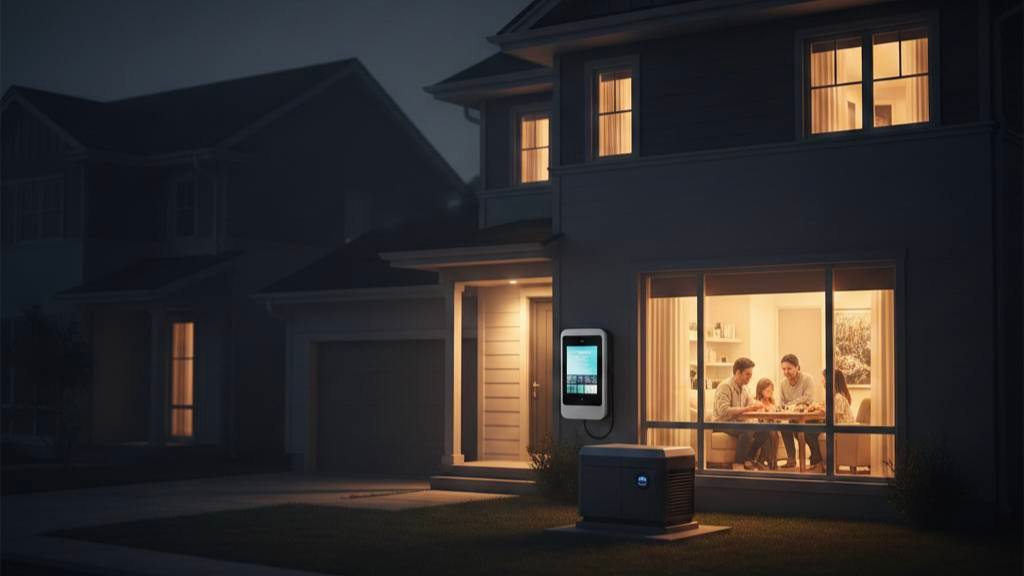
Power reliability has become a daily concern for many households as extreme weather, aging grids, and rising energy demand make outages more common. Losing electricity is no longer just an inconvenience, since it can interrupt work, spoil food, affect home comfort, and disrupt medical or connectivity needs. Choosing the right backup power solution helps households stay comfortable and functional during both short blackouts and longer disruptions. In this article, common backup power solutions are compared to help households make practical, informed decisions.
1. Assess Your Essential Power Needs
List critical appliances (fridge, lights, medical devices)
Identifying essential appliances is the first step toward selecting a realistic backup power system. Refrigerators, basic lighting, internet equipment, and heating or cooling systems often top the list for most homes. Some households may also rely on medical devices, home offices, or security systems that require uninterrupted power. Thinking through a normal day at home makes it easier to decide what truly needs electricity during an outage. This approach avoids overspending on capacity that may never be used.
Calculate total wattage and desired runtime
Once essential devices are identified, estimating total wattage helps narrow down suitable systems. Appliance labels and manuals typically list power requirements, making it possible to add them together for a rough total. Runtime is equally important, since powering a refrigerator for two hours is very different from running it overnight. Homes in areas with frequent or long outages often need longer runtimes to reduce stress and disruption. Matching wattage and runtime creates a more accurate picture of real-world needs.
2. Compare Types of Backup Systems
Portable generators: High power, need fuel and ventilation
Portable generators are known for delivering high power output at a relatively low upfront cost. They can handle demanding appliances, including large tools or temporary whole-home loads. However, they require gasoline or propane, which must be stored safely and replenished during extended outages. Ventilation is essential, meaning these systems must be used outdoors and cannot run quietly in residential areas. For occasional emergencies, they can be effective, but they require hands-on management.
Home batteries: Clean, quiet, solar-compatible
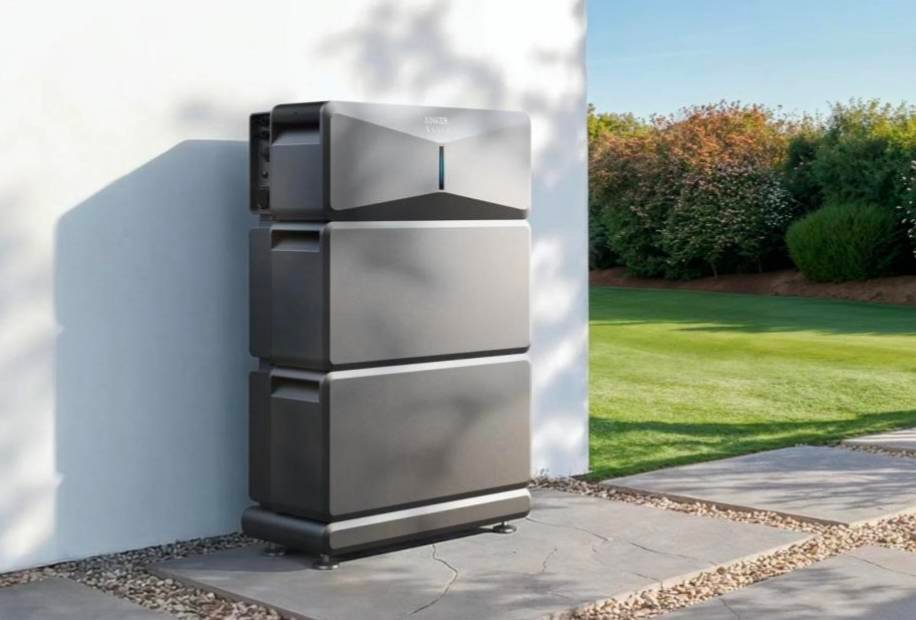
Home battery systems offer a quieter and cleaner alternative to fuel-based generators. These systems can store energy from the grid or solar panels and release it automatically during outages. In households already using solar power, a solar battery allows excess daytime energy to be saved for night use, reducing dependence on the grid. Some advanced options, such as the Anker SOLIX E10, are designed to support full home circuits with fast switchover and scalable storage that can grow with household needs, while handling high-demand appliances during normal routines. This type of setup blends backup protection with everyday energy management rather than acting as a last-resort tool.
Portable power stations: Easy, safe for indoor use, limited capacity
Portable power stations are compact and simple to use, making them popular for apartments and smaller homes. They are safe for indoor use and require minimal setup compared to generators. However, their capacity is limited, so they are best suited for charging phones, laptops, lights, or small appliances. These systems work well for short outages or temporary needs but may struggle with long runtimes. They are often seen as a convenient entry-level solution rather than a complete backup plan.
3. Consider Fuel Source and Runtime
Solar + battery: Renewable but depends on weather
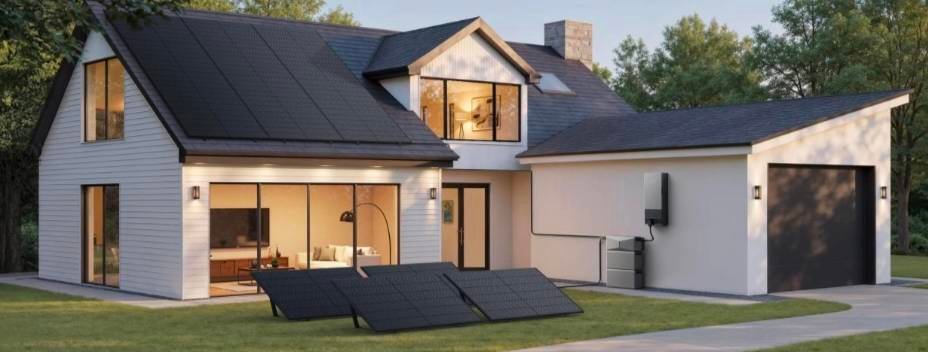
Solar + battery systems combine renewable power with storage for a greener, more resilient home. Powered by sunlight, these systems charge the battery during the day to supply clean energy after sunset or during grid outages. While weather affects solar availability, modern systems are designed with smart energy management to maximize usage and storage efficiency. Over time, this setup helps reduce electricity bills and increases energy independence—making it a practical, long-term step toward sustainable living, not just an emergency backup..
Gas/propane generators: Reliable but require fuel storage
Fuel-based generators remain popular due to their reliability and predictable performance. As long as fuel is available, they can run continuously and support high-demand appliances. However, fuel storage requires planning, especially in regions prone to long outages. Noise and emissions also limit where and how often these systems can be used. For some households, reliability outweighs these drawbacks, while others prefer quieter options.
4. Evaluate Installation and Safety
Installation requirements vary widely among backup power solutions and can affect both cost and convenience. Portable options typically require minimal setup, while home batteries and solar systems may involve electrical upgrades or professional installation. Safety considerations include proper ventilation, electrical load management, and compliance with local codes. A well-installed system reduces risks and improves long-term reliability. Taking time to understand installation needs prevents unexpected complications later.
5. Plan for Your Budget and Long-Term Use
Balance upfront cost with long-term value and fuel savings
Upfront cost is often the first concern, but long-term value deserves equal attention. Fuel-based systems may be cheaper initially but require ongoing fuel purchases and maintenance. Battery-based systems tend to cost more upfront but offer predictable operating expenses and potential savings over time. Considering how often outages occur helps justify the investment level. A system that integrates with solar power can deliver value even when the grid is functioning normally.
Factor in maintenance, fuel costs, and potential solar incentives
Maintenance requirements differ significantly between backup solutions. Generators need regular servicing and fuel management, while batteries require less hands-on upkeep. In some regions, solar installations may qualify for incentives that reduce overall costs. Planning with these factors in mind supports smarter financial decisions. Over time, reduced fuel use and stable energy costs can offset higher initial investments.
Conclusion
Choosing a backup power solution involves balancing power needs, lifestyle preferences, and long-term energy goals. By assessing essential appliances, comparing system types, and considering fuel sources, households can avoid one-size-fits-all decisions. Solar power paired with battery storage continues to gain appeal for its clean operation and everyday usefulness. Thoughtful planning ensures that backup power feels like a natural part of home life rather than an emergency-only purchase.