

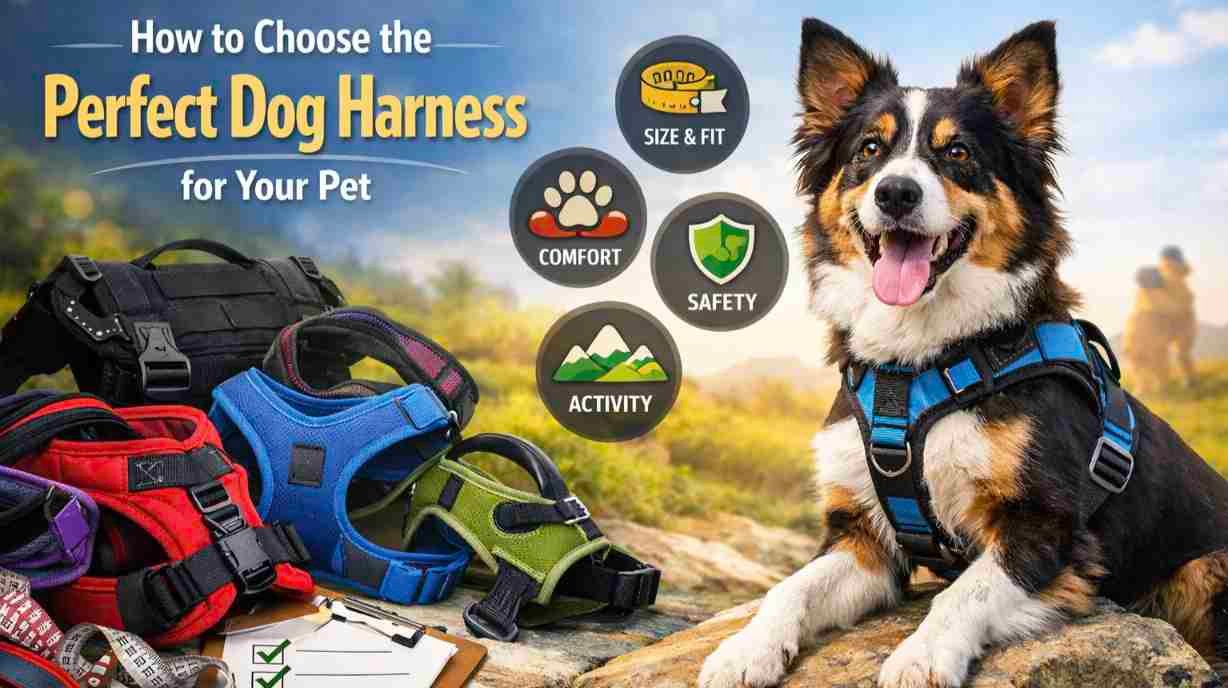
Finding the right dog harness can feel like a major challenge. With so many styles, materials, and features available, it’s easy to get overwhelmed. A well-fitting harness is more than just an accessory; it’s a vital tool for ensuring your dog’s safety, comfort, and your own peace of mind during walks. Unlike a traditional collar, a harness distributes pressure across your dogs chest and shoulders, preventing strain on their delicate neck and trachea.
Whether you have a powerful puller, a tiny trailblazer, or a calm companion, there is a perfect harness out there for them. This guide will walk you through everything you need to know to make the right choice. We’ll cover how to measure your dog, the different types of harnesses available, and key features to look for to ensure every walk is a happy and safe adventure.
Why a Harness is a Great Choice for Your Dog
Before we dive into the “how-to,” let’s quickly review why so many trainers and veterinarians recommend harnesses over collars for daily walks.
- Prevents Neck Injury: Collars concentrate all pulling force on the neck, which can lead to serious issues like tracheal collapse, especially in smaller breeds. Harnesses spread this force over a larger, stronger area of the body.
- Better Control: Harnesses give you more control over your dog’s movement, which is crucial in busy urban environments or when training. A front-clip harness, for example, can gently redirect a dog that pulls.
- Reduces Escape Risk: A properly fitted harness is much more difficult for a dog to slip out of compared to a collar. This is especially important for anxious dogs or those who get easily spooked.
- Comfort: Modern harnesses are designed with your dog’s comfort in mind, using padded materials and adjustable straps to ensure a snug but gentle fit.
Step 1: Measure Your Dog for the Perfect Fit
An ill-fitting harness can cause chafing, restrict movement, or allow your dog to escape. Getting an accurate measurement is the most critical step in choosing the right harness. You’ll need a soft, flexible measuring tape.
- Measure the Chest Girth: This is the most important measurement. Wrap the tape measure around the widest part of your dog’s rib cage, just behind their front legs.
- Measure the Neck Girth: Wrap the tape around the base of your dog’s neck where a collar would typically sit.
When measuring, make sure the tape is snug but not tight. You should be able to fit two fingers between the tape and your dog’s body. Write these measurements down. Most harness manufacturers provide a size chart that uses these two key measurements to help you find the right fit. Don’t rely on weight alone, as dogs of the same weight can have very different body shapes.
Step 2: Understand the Different Types of Harnesses
Harnesses generally fall into a few main categories based on where the leash attaches. The type you choose will depend on your dog’s walking style and your training goals.
Back-Clip Harnesses
This is the most common type of harness, with a D-ring for leash attachment located on the dog’s back.
- Best for: Calm dogs who don’t pull, small dogs, and dogs with sensitive airways.
- Pros: Easy to put on, keeps the leash from getting tangled in your dog’s legs, and is generally very comfortable for the dog.
- Cons: Offers less control over pulling. A determined puller can still use their full body weight to lunge forward.
Front-Clip (No-Pull) Harnesses
These harnesses have a D-ring positioned at the center of the dog’s chest.
- Best for: Dogs that pull on the leash.
- Pros: When the dog pulls, the harness gently turns them back toward you, discouraging the pulling behavior without causing pain. This makes it an excellent training tool. The No-Pull Dog Harness with Front Clip is a great example of this design.
- Cons: The leash can sometimes get tangled under the dog’s front legs if there’s too much slack.
Dual-Clip Harnesses
Offering the best of both worlds, these harnesses have attachment points on both the back and the chest.
- Best for: All types of dogs, as it provides maximum flexibility.
- Pros: You can switch between the front and back clips depending on the situation. For maximum control, you can even use a special double-ended leash attached to both rings.
- Cons: Can be slightly bulkier than single-clip models.
Escape-Proof Harnesses
For the Houdini-hounds who can wriggle out of anything, an escape-proof harness provides an extra layer of security.
- Best for: Escape artists, anxious dogs, or breeds with narrow chests like Greyhounds.
- Pros: These harnesses, like the 6-Point Adjustable Control Harness, feature an additional strap that fastens behind the rib cage. This makes it nearly impossible for a dog to back out of the harness.
- Cons: Can be a bit more complex to fit and put on initially.
Step 3: Look for Essential Features
Once you know your dog’s size and the type of harness you need, consider these important features that enhance safety, comfort, and durability.
- Adjustable Straps: Look for a harness with multiple points of adjustment (ideally four or more). This allows you to create a custom fit that is snug and secure without restricting your dog’s natural movement.
- Padded Material: Padding on the chest and back plates prevents chafing and makes the harness more comfortable for long walks or hikes. Look for breathable mesh materials to keep your dog cool.
- Reflective Straps: If you walk your dog in the early morning or evening, reflective stitching is a non-negotiable safety feature. It makes your dog more visible to drivers and cyclists in low-light conditions. The Dog Harness Leash Set with LED Light takes this a step further for ultimate visibility.
- Control Handle: A handle on the back of the harness is incredibly useful. It allows you to quickly grab and control your dog in emergencies, help them over obstacles on a trail, or lift them into a car.
- Durable Hardware: Check the quality of the D-rings and buckles. They should be made of sturdy metal or high-impact plastic that won’t break under pressure.
Final Checks for a Perfect Fit
After you’ve purchased a harness, it’s time for the final fitting. Adjust all the straps to get a snug fit. Here’s how to check if it’s right:
- The Two-Finger Rule: You should be able to comfortably slip two fingers between the harness and your dog at any point. If you can fit more, it’s too loose. If you can’t, it’s too tight.
- Check for Chafing: After the first few walks, check the skin under the straps, especially around the armpits, for any signs of redness or irritation.
- Observe Movement: Watch your dog walk and run. The harness should not restrict their shoulder movement or ride up their neck.
Choosing the perfect harness is an investment in your dog’s well-being and the quality of the time you spend together. By taking accurate measurements, understanding the different types, and looking for key features, you can find a harness that keeps your furry friend safe, comfortable, and ready for any adventure.