

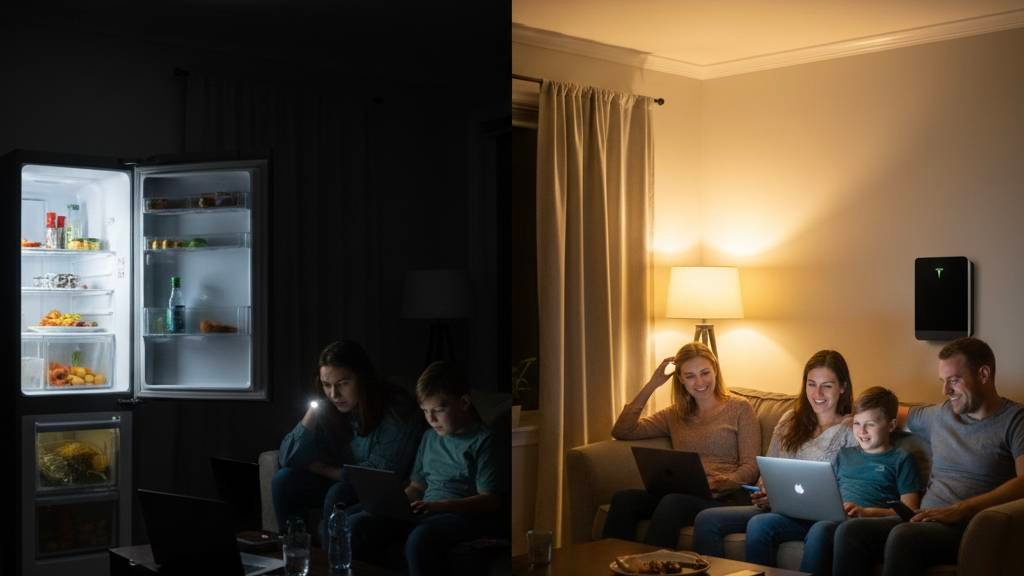
A whole-home backup system changes how a household experiences outages. Some families once viewed this technology as optional—helpful during storms, but not essential. Yet power reliability now shapes work, safety, comfort, and daily routines. When an outage throws a home into darkness, disconnects essential devices, or stops HVAC during extreme weather, families quickly realize how dependent they are on uninterrupted electricity. The question becomes less about luxury and more about how backup systems protect stability. Modern solutions, such as the Anker SOLIX E10 (Power Module + 2× Battery) paired with the Power Dock, show how full-panel backup supports real needs rather than serving as convenience. In many homes, backup power has shifted from “nice to have” to “necessary.”
How Daily Life Determines Whether Backup Power Is Essential
Routines That Cannot Stop Define The Home’s True Needs
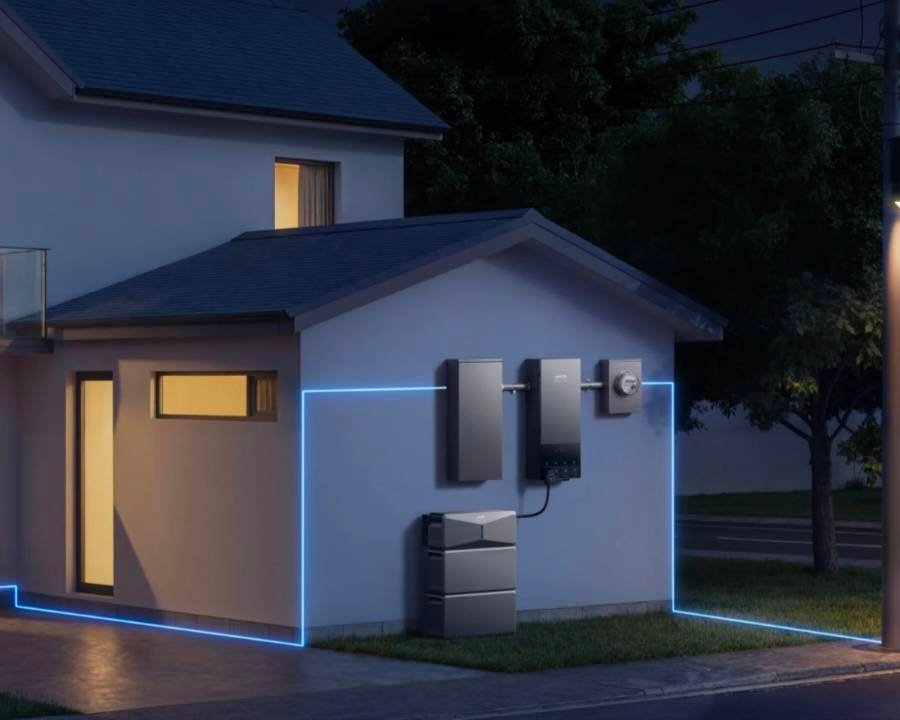
When an outage occurs, essential routines reveal themselves instantly. Families depend on electricity for communication, cooking, climate control, and personal care. In homes where remote work, medical equipment, refrigeration, and continuous connectivity matter, even brief interruptions create significant disruption. These households rely on electricity not for luxury, but for predictable function. Whole-home backup ensures these routines never collapse. The E10 activates within ≤20ms, keeping lights, appliances, and electronics powered through the transition. Its 200A Power Dock supports the entire panel, so families avoid choosing which rooms stay functional. Outages become events the home absorbs rather than events that interrupt life. For homes with routines that cannot pause, backup capability aligns directly with necessity rather than comfort.
Climate And Comfort Make Outages More Than An Inconvenience
A home without heating or air conditioning becomes uncomfortable faster than most people expect. Extreme heat affects sleep and hydration, while cold temperatures cause stiffness and respiratory strain. Outages during harsh seasons quickly transform comfort into a health concern. In regions with severe summers or winters, whole-home backup becomes a protective measure rather than an optional upgrade. The E10’s surge capacity supports large HVAC units, including heavy startup loads from central air systems. That means indoor comfort continues even when the grid collapses. This level of resilience shifts backup power into the category of necessity for families who rely on stable indoor temperatures to remain safe, productive, and healthy.
Digital Dependence Turns Electricity Into A Foundation
Homes now run on connectivity. Work meetings, school assignments, communication tools, streaming services, and smart devices rely on uninterrupted electricity. Losing power disrupts more than entertainment—it breaks the systems that support income, education, and social connection. Homes with remote workers or students feel these impacts sharply. A whole-home system ensures routers, modems, laptops, and personal devices maintain power continuously. The E10’s seamless transition prevents lost files, dropped calls, or corrupted data. In a digitally dependent household, backup power directly supports productivity and stability. This need makes whole-home backup more functional than indulgent. For many families, it simply keeps modern life operating normally.
How Home Infrastructure And Planning Shift Backup Power Into Necessity
Electrical Layout Determines How Vulnerable The Home Really Is
Some homes have wiring or circuit layouts that react unpredictably during outages. Older infrastructure may struggle to handle sudden surges or restarts. Homes built in stages often contain mismatched circuits that behave differently under stress. A single grid failure exposes these weaknesses. Full-panel backup reduces this vulnerability. The E10 supplies consistent output across the entire electrical panel, creating uniform stability. It shields the home from power-return surges that may harm appliances or sensitive electronics. When electrical infrastructure is uneven or aging, a whole-home backup system becomes a protective necessity that reduces long-term risk and prevents expensive damage.
Families With Responsibility For Others Need Continuous Stability
Backup power becomes essential in homes with children, elders, or pets who rely on consistent indoor temperatures and functional appliances. Medical devices, baby monitors, refrigerated medications, and mobility equipment require uninterrupted electricity. For caregivers, stable power is not optional—it directly supports safety. The E10’s ability to maintain power for extended periods, ranging from one day to multiple days depending on configuration, supports this requirement. Solar integration through dual MPPT ports allows for recharging during the day, while smart generator synergy extends runtime when needed. In homes where lives depend on reliability, home backup generator plays a central role in responsible caregiving.
Long Outages Turn Backup Power Into A Practical Survival Tool
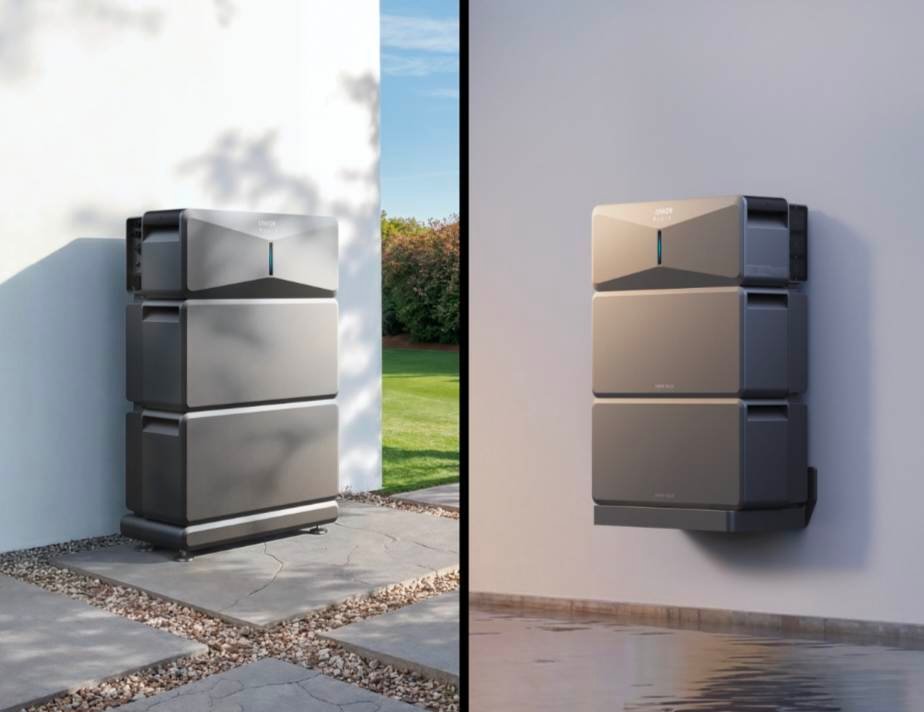
Short outages may not justify whole-home systems, but extended failures reshape the equation. Winter storms, wind events, and overloaded grids can leave neighborhoods without power for days. A “luxury” quickly becomes essential when outages stretch long enough to spoil food, disrupt heating, or make work impossible. The E10’s scalable battery system, combined with the option to stack units or integrate solar, prepares homes for these longer disruptions. Its ability to deliver turbo output and support continuous demand gives households the capacity to stay comfortable and operational without rationing power. For regions with unreliable grids, a whole-home system becomes part of practical emergency readiness rather than an elective purchase.
Conclusion
Whether whole-home backup power is a luxury or necessity depends on how a household lives, who depends on the home, and what happens when electricity fails. For some families, outages cause mild inconvenience. Whole-home systems such as the Anker SOLIX E10 with its 2× Battery and 200A Power Dock close the gap between expectation and reality. They deliver seamless transitions, strong surge support, and long-duration performance that keeps the entire home functional. Even homeowners who keep a home backup generator for redundancy see how automated, whole-home solutions redefine reliability.