

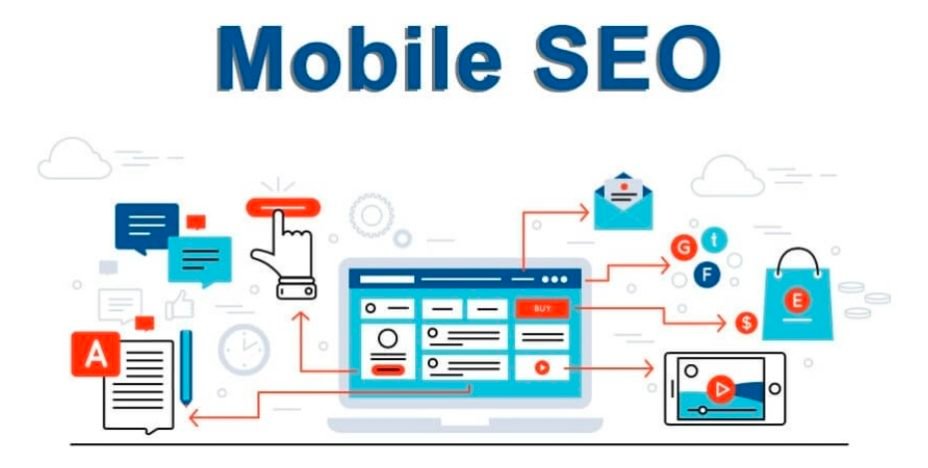
In today’s digital landscape, mobile devices account for more than half of global web traffic. This shift has made mobile optimization not just a luxury but a necessity for businesses striving to maintain visibility and engagement online. Mobile SEO is specifically designed to enhance the performance of websites on smartphones and tablets, focusing on three critical aspects: page speed, user experience (UX), and search engine rankings. Implementing these strategies effectively can make a significant difference in attracting and retaining mobile users.
Understanding Mobile SEO
Mobile SEO is the practice of optimizing a website so that it performs exceptionally well on mobile devices. Unlike desktop optimization, mobile SEO considers factors unique to handheld devices, including screen size, touch navigation, and limited bandwidth. Search engines like Google prioritize mobile-friendly sites, using mobile-first indexing to determine rankings. This means that your mobile site is now the primary reference point for your search visibility.
To achieve these goals, businesses often rely on professional mobile SEO services. These services encompass a range of techniques, from optimizing site speed and responsive design to ensuring that content is accessible and readable on smaller screens. The aim is to create a seamless experience that keeps users engaged while signaling to search engines that your site is trustworthy and relevant.
Improving Page Speed
Page speed is one of the most crucial aspects of mobile SEO. Users expect pages to load quickly, and even a delay of a few seconds can increase bounce rates dramatically. Slow-loading websites frustrate users and signal to search engines that the site may not provide a high-quality experience.
Mobile SEO services often begin with a thorough audit to identify performance bottlenecks. Techniques such as compressing images, leveraging browser caching, and minimizing JavaScript and CSS files are standard practices. Additionally, implementing Accelerated Mobile Pages (AMP) can drastically reduce load times, especially for content-heavy sites. By improving page speed, businesses not only enhance UX but also boost their chances of ranking higher in search results.
Enhancing User Experience (UX)
User experience is another cornerstone of mobile SEO. A website that is difficult to navigate on a smartphone can drive visitors away, no matter how valuable the content may be. Mobile SEO services focus on designing intuitive interfaces, optimizing navigation menus, and ensuring that clickable elements are easily accessible.
Responsive design is key. Websites should automatically adjust to different screen sizes without sacrificing functionality or readability. Font sizes, button placement, and spacing must be carefully considered to prevent accidental clicks and improve accessibility. A positive mobile UX not only retains users longer but also encourages repeat visits, fostering brand loyalty.
Beyond layout, mobile SEO services also address content presentation. Text should be concise and scannable, while images and videos should be optimized for mobile viewing. Interactive elements, like forms or chat features, must be streamlined to reduce friction and keep users engaged.
Boosting Search Engine Rankings
Ultimately, the purpose of mobile SEO is to improve visibility in search engine results. Search engines use complex algorithms to determine how well a website meets user needs, with mobile performance playing a significant role. Sites that load quickly, offer excellent UX, and provide mobile-friendly content are rewarded with higher rankings.
Mobile SEO services often include keyword optimization tailored for mobile searches. People search differently on smartphones compared to desktops, often using shorter, conversational phrases or voice search. Optimizing content for these queries can improve organic traffic from mobile users.
Technical SEO also comes into play. Ensuring proper use of meta tags, structured data, and mobile sitemaps can help search engines index your pages more effectively. Redirects and canonical tags must be carefully managed to prevent mobile-specific errors that could negatively affect rankings.
Why Businesses Need Mobile SEO Services
The digital market is more competitive than ever. Businesses that ignore mobile optimization risk losing customers to competitors who provide smoother, faster, and more engaging mobile experiences. Mobile SEO services are an investment in both visibility and user satisfaction.
Companies that partner with mobile SEO experts benefit from comprehensive audits, tailored strategies, and ongoing monitoring. This approach ensures that improvements are sustainable and aligned with evolving search engine guidelines. From small businesses to large enterprises, mobile SEO can significantly impact conversions, brand reputation, and revenue.
Measuring Success
An effective mobile SEO strategy doesn’t end after implementation. Monitoring key performance indicators (KPIs) is essential to measure impact and identify areas for further improvement. Metrics such as page load time, bounce rate, mobile traffic, and search rankings provide insights into how well your mobile site is performing.
Tools like Google PageSpeed Insights, Search Console, and analytics platforms help track performance over time. Mobile SEO services often include regular reporting and optimization adjustments to keep your website competitive in search results.
Conclusion
Mobile SEO is no longer optional; it is a critical component of digital marketing. By improving page speed, enhancing user experience, and boosting search engine rankings, businesses can ensure their websites meet the demands of mobile users. Mobile SEO services provide the expertise and strategies needed to optimize websites effectively, helping brands stay visible, relevant, and competitive.
In a world where users expect instant access to information on their devices, investing in mobile SEO is an investment in long-term success. Businesses that prioritize mobile optimization will not only attract more visitors but also provide the seamless experiences that drive engagement, loyalty, and growth.