

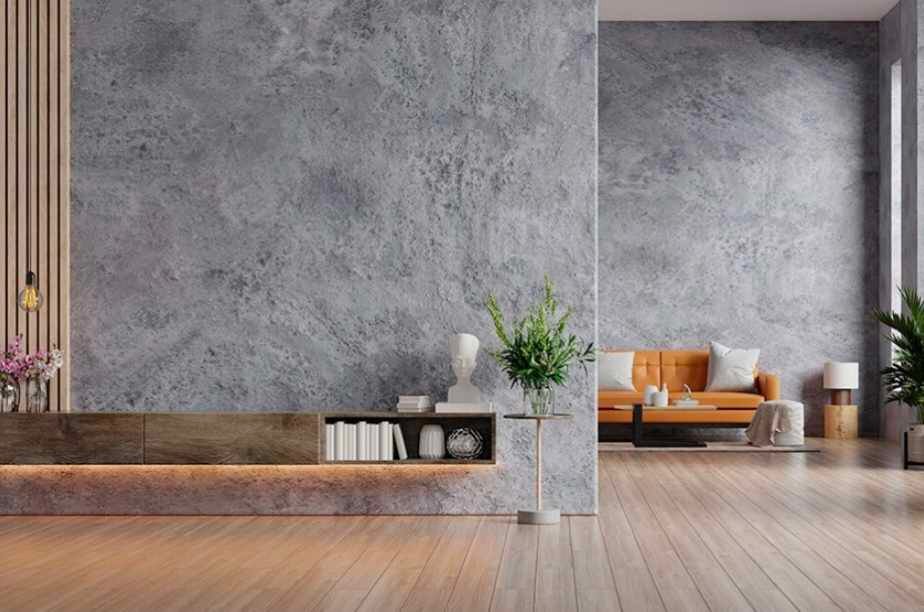
Transforming the look of your home doesn’t always require major renovations. Sometimes, all it takes is a fresh approach to your walls. Wall texture painting has grown in popularity over the years because it adds depth, character, and sophistication to any room. From subtle elegance to bold statements, the right texture can completely redefine your interior. If you’re looking for ideas to achieve a modern and stylish look, here are the top wall texture paint techniques to consider.
1. Venetian Plaster: Timeless Elegance
Venetian plaster is a luxurious wall finish that has been used for centuries, originating in Italy. It gives walls a polished, marble-like appearance with subtle variations in color and sheen. The technique involves applying thin layers of plaster and then burnishing them to create a smooth, reflective surface.
One of the reasons Venetian plaster remains popular in modern interiors is its versatility. It can be customized with a wide range of colors, from soft neutrals to deep, dramatic tones. It pairs exceptionally well with contemporary furniture, metallic accents, and minimalist décor. Moreover, its slightly reflective finish can help make smaller rooms feel brighter and more spacious.
2. Sponging: Soft and Inviting Texture
Sponging is a beginner-friendly wall texture technique that creates a soft, mottled effect. It involves applying a glaze over a base coat using a natural sea sponge. By dabbing and lifting the sponge, you can create random patterns that add warmth and character to the walls.
This method works especially well in living rooms, bedrooms, or hallways where you want a subtle, cozy texture without overwhelming the space. Sponging also allows for layering multiple colors, giving you the freedom to experiment with shades and tones that complement your modern aesthetic.
3. Rag Rolling: Elegant, Artistic Finish
Rag rolling is a sophisticated technique that involves rolling a rag over a freshly painted wall to create soft, flowing patterns. Unlike sponging, rag rolling produces more elongated, organic shapes, adding a sense of movement to your walls.
It’s a fantastic choice for accent walls in dining rooms or living spaces. For a modern twist, consider using metallic or high-gloss glazes over matte base colors. The interplay between light and texture can transform an ordinary wall into a striking focal point.
4. Stucco or Knockdown Texture: Contemporary Charm
Stucco and knockdown textures are ideal for homeowners looking for a more rugged, tactile finish. Stucco involves applying thick layers of plaster or joint compound, which can be troweled or sprayed to create depth. Knockdown texture, on the other hand, is achieved by applying a thick coat and then “knocking down” the peaks with a trowel to form a subtle, flattened pattern.
These techniques are perfect for modern interiors that emphasize raw, natural materials like exposed wood, concrete, or stone. They also hide minor wall imperfections, making them practical for older homes or high-traffic areas.
5. Sand Paint: Subtle, Earthy Texture
If you want a minimalistic yet textural effect, sand paint is a smart choice. Mixed with fine sand particles, this paint creates a slightly gritty surface that adds dimension without being overpowering. It’s particularly suited for Scandinavian or industrial-style interiors, where understated textures complement clean lines and neutral color schemes.
Sand paint also comes in a variety of finishes, from matte to semi-gloss, allowing you to control how light interacts with the wall surface. Layering different shades can produce a nuanced, modern look that feels organic and inviting.
6. Stenciling and Faux Finishes: Creative Flexibility
For those who enjoy a more artistic approach, stenciling and faux finishes offer endless possibilities. Stenciling involves using pre-cut patterns to add repeated designs to a wall, while faux finishes imitate natural materials like stone, wood, or concrete.
Modern homeowners often combine these techniques to create statement walls that are both stylish and personal. For instance, a faux concrete finish with a subtle metallic glaze can make a bedroom or living room feel industrial yet chic. The key is to keep patterns and colors balanced so the space feels cohesive and contemporary.
7. Combining Techniques: Personalized Modernity
One of the most exciting trends in wall textures is combining multiple techniques to create a signature look. For example, a living room could feature a Venetian plaster accent wall paired with sand-textured walls on the remaining sides. Similarly, a hallway might incorporate sponging on the lower half and a smooth, glossy finish on the upper half.
By blending textures, you introduce layers of visual interest while keeping the overall aesthetic modern and stylish. The trick is to maintain harmony in colors, patterns, and finishes so that the space feels intentional rather than chaotic.
Tips for Achieving a Professional Finish
- Start Small: Practice on a sample board before applying a technique to the entire wall. This helps you adjust colors and patterns without committing to a permanent mistake.
- Choose the Right Tools: High-quality brushes, sponges, trowels, and rollers make a significant difference in achieving clean, professional results.
- Layer Gradually: Many texture techniques require multiple layers. Apply thin coats first and build up to the desired effect to avoid heavy, uneven surfaces.
- Protect Surroundings: Cover floors and furniture, and use painter’s tape to create crisp edges around trim or ceilings.