Choosing the Right Puppy Play Environment
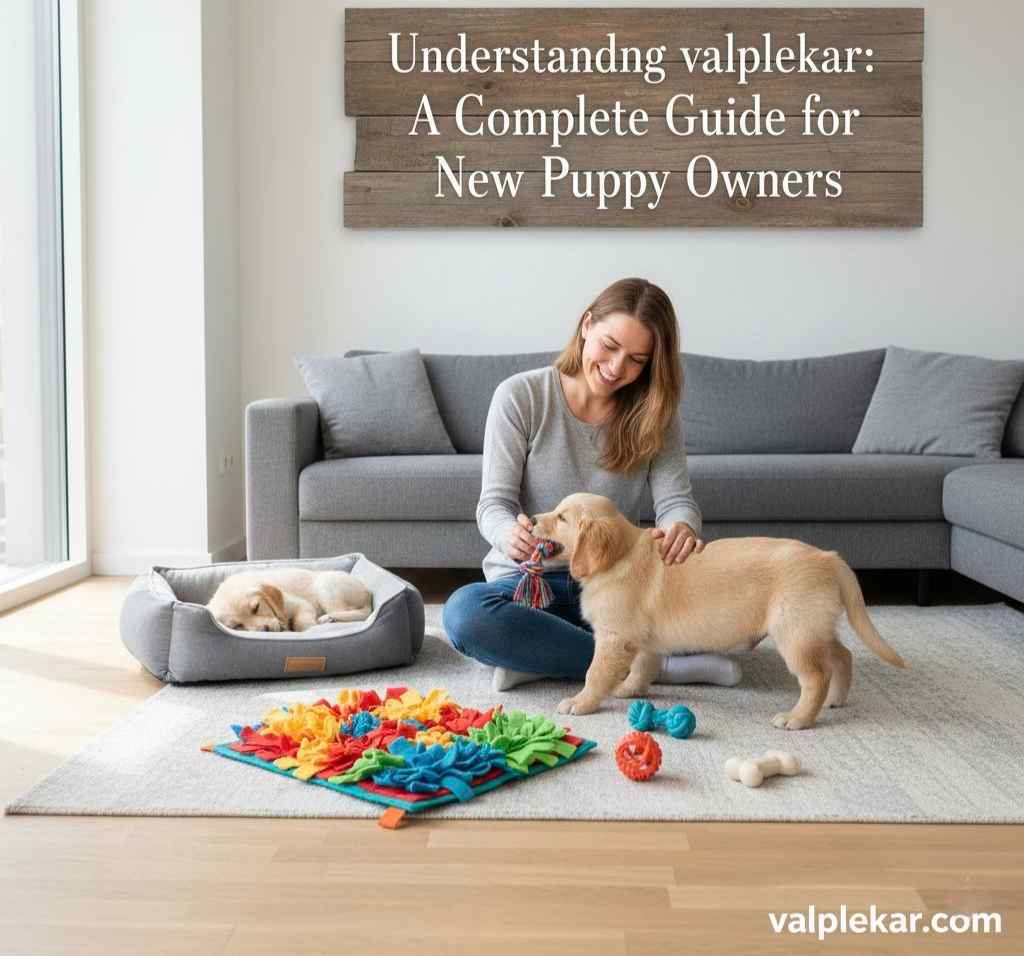
Selecting the best play environment for your new puppy is one of the most important early decisions you’ll make. Young dogs learn through exploration, scent work, and gentle interaction, so creating a safe and well-structured space helps them grow into confident, well-adjusted adult pets. When considering tools, toys, and designated areas often referred to as valplekar, owners should focus on comfort, safety, and enrichment.
What Makes a Good Play Area?
A high-quality play area should include soft bedding, interactive toys, and proper boundaries. This helps puppies feel secure while encouraging positive behavior.
Safety Considerations
Ensure the area is free from sharp objects, toxic plants, and items small enough to swallow. Puppies can be surprisingly quick and curious.
Training and Socialization Essentials
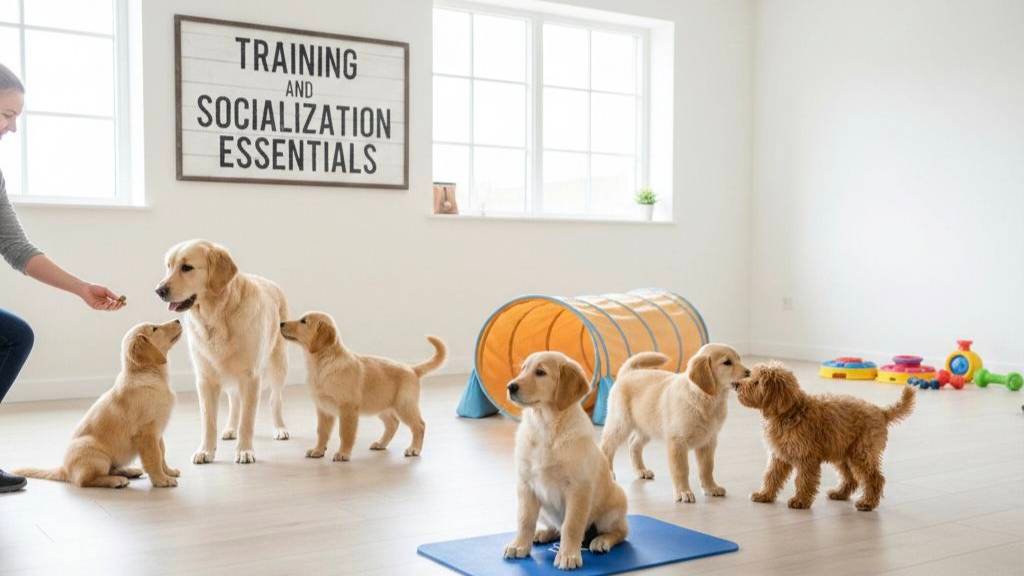
Training begins the moment you bring your puppy home. Consistency, routine, and gentle reinforcement allow them to understand expectations. A well-planned system, whether it involves crate training or structured play inside a valplekar, supports positive development.
Socialization Tips for Better Behavior
Introduce your puppy to new sights, sounds, people, and other animals gradually. Controlled experiences within a designated play environment can help reduce stress and build confidence.
Enrichment Toys and Activities Puppies Love
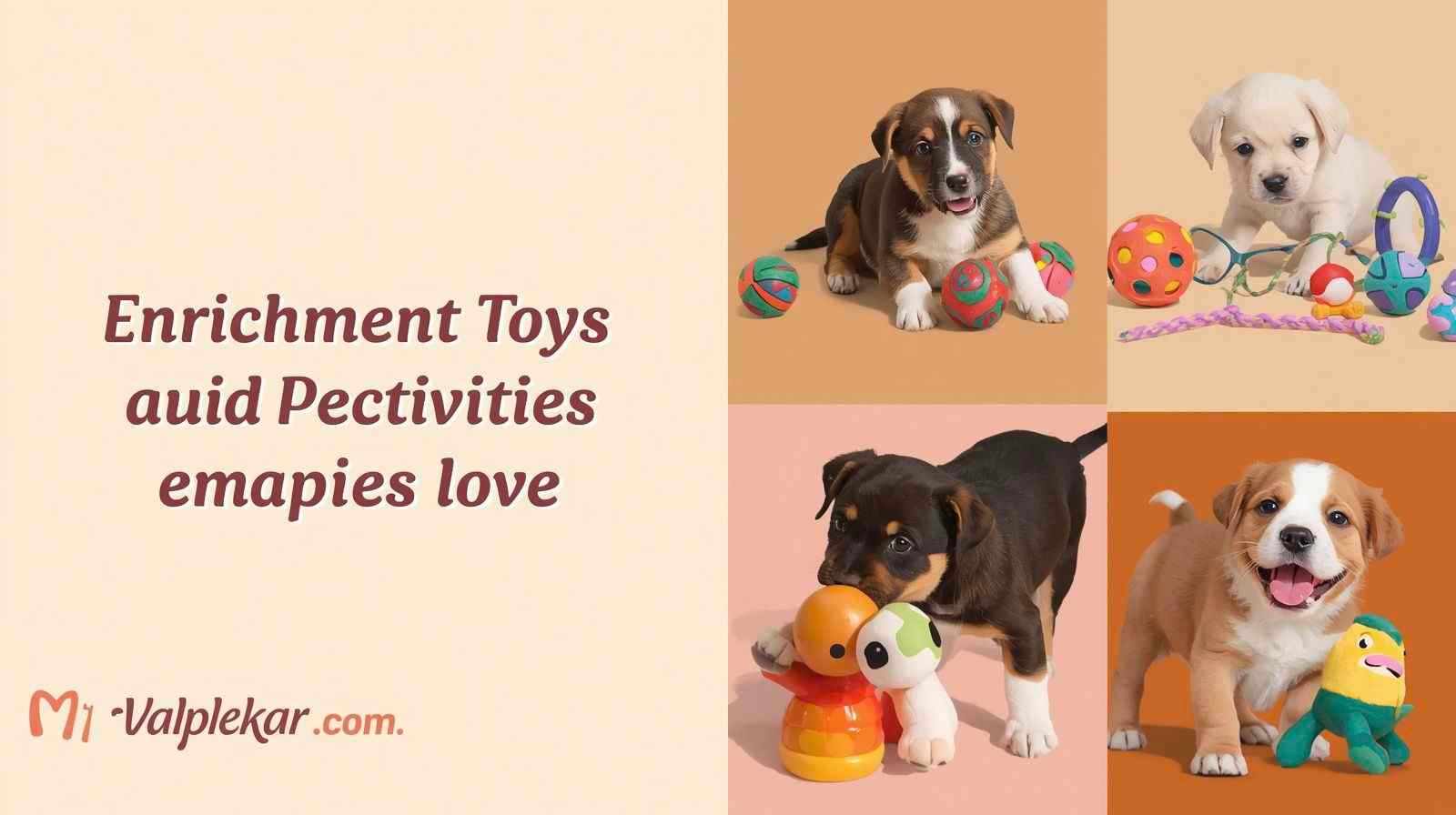
Puppies require mental stimulation just as much as physical exercise. Using puzzle toys, chew toys, and scent-based games keeps them occupied and encourages natural instincts. Many owners use a valplekar setup to organize these activities and prevent overstimulation.
Sensory Play Ideas
Textures, soft tunnels, and gentle obstacle courses offer a safe challenge. Puppies enjoy discovering new objects, and adding different surfaces or sounds enhances motor skills and coordination.
Interactive Bonding Games
Short, engaging games like fetch or tug-of-war strengthen the bond between pet and owner. These moments help establish trust and communication.
Routine, Nutrition, and Healthy Habits
A structured daily routine supports your puppy’s emotional and physical well-being. Regular feeding times, predictable potty breaks, and designated sleep periods reduce anxiety. Establishing these habits within or near a valplekar setup helps puppies connect certain spaces with rest, play, or training.
Feeding and Hydration Tips
Choose nutritious puppy food rich in essential vitamins, protein, and healthy fats. Always keep fresh water available and observe how your puppy responds to new foods.
Common Challenges and How to Manage Them
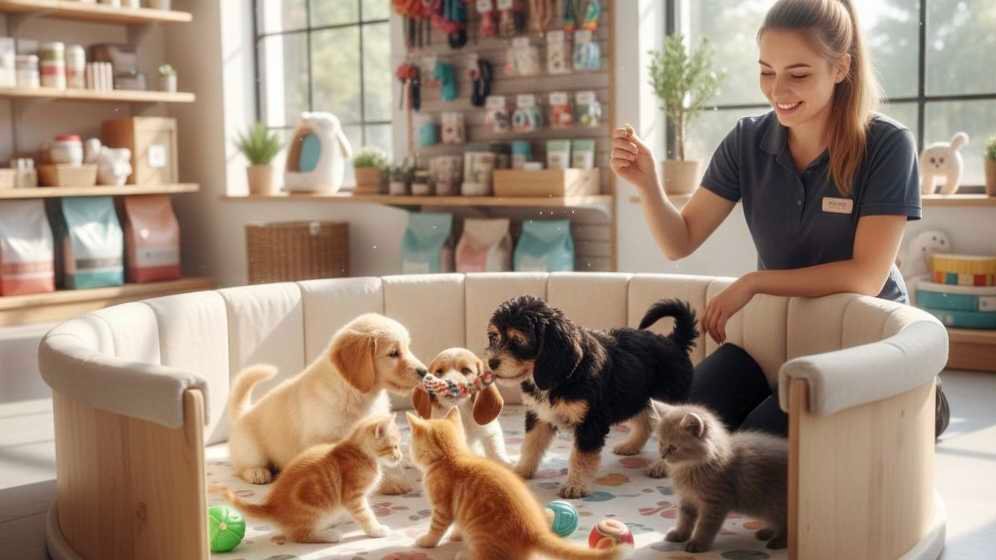
Every puppy experiences challenges—chewing, barking, or occasional accidents. These behaviors are normal, especially during teething or adjustment periods. Using a structured environment like a valplekar can reduce unwanted behaviors, giving puppies boundaries while still allowing freedom to explore.
Handling Chewing and Teething
Offer safe chew toys and rotate them frequently to maintain interest. Puppies often chew to soothe gums or relieve boredom.
Reducing Stress and Overexcitement
Calming techniques such as soft music, gentle petting, and short quiet-time sessions can help. Consistency is essential as puppies learn what to expect and how to behave.
FAQ
What is the purpose of a puppy play area?
A play area provides safety, structure, and enrichment while helping puppies grow and learn in a controlled environment.
How long should a puppy spend in its play area?
Short, supervised sessions throughout the day work best, especially for young puppies with limited attention spans.
What toys are best for puppies?
Soft chew toys, puzzle feeders, and sensory toys that encourage exploration are ideal.
How do I introduce my puppy to new experiences?
Slowly, calmly, and with positive reinforcement. Gradual exposure prevents fear and builds confidence.
Can a play area help with training?
Yes, it reinforces boundaries and provides a designated space for practicing commands and routines.
Conclusion
Raising a puppy is a rewarding journey filled with learning, patience, and joyful moments. By creating a safe and stimulating environment—whether you choose a simple fenced area or a more structured valplekar setup—you support healthy growth, confident behavior, and a strong bond between you and your furry companion. Consistent training, balanced nutrition, and thoughtful enrichment help puppies thrive, transforming early challenges into lifelong strengths. With the right approach, your puppy’s play area becomes more than just a space—it becomes the heart of their development and a foundation for a happy, well-adjusted life.